
TL;DR:
- Surfwear originated as sacred attire among Hawaiian royalty and evolved into a symbol of rebellion.
- The 70s and 80s transformed surfwear into a global industry with bold prints and innovative fabrics.
- Today, surfwear combines performance, cultural symbolism, and vintage influences, appealing to both surfers and fashion lovers.
Surfwear was never just something you threw on before hitting the waves. Long before boardshorts became a global staple, surf attire carried deep cultural weight, signalling status, rebellion, and identity. From the sacred shores of ancient Hawaii to the sun-drenched streets of modern beach towns, the story of surfwear is one of the most fascinating threads in fashion history. Understanding where it came from changes how you see what you wear today and why certain styles still feel so alive.
Key Takeaways
| Point | Details |
|---|---|
| Cultural transformation | Surfwear evolved from Hawaiian royalty to a symbol of youth rebellion and global street fashion. |
| Constant innovation | New fabrics, bold designs, and inclusivity have kept surfwear fresh and relevant across eras. |
| Debate over authenticity | Tension remains between surfwear’s performance roots and its mainstream, commercial identity. |
| Style inspiration today | Modern surfwear takes cues from history, blending comfort, artistic flair, and personal expression. |
From Hawaiian royals to surf rebellion: The roots of surfwear fashion
Surfing did not begin as a casual pastime. Surfing was a sport of Hawaiian royalty, a sacred practice called he'e nalu that symbolised status, spiritual connection, and power. The garments worn in and around the water reflected that reverence. Early Hawaiian surf attire included kapa cloth wraps, woven from bark and dyed with natural pigments, worn as ceremonial coverings rather than functional swimwear.
This was not beachwear in any modern sense. It was costuming for a ritual.
When surfing reached California in the early twentieth century, its cultural meaning began to shift. By the 1960s, it had transformed into something entirely new: a symbol of youth rebellion. Films like Gidget and the music of The Beach Boys turned surf culture into a pop phenomenon, and with it came a distinct visual language.
"Surfing gave young Americans a way to opt out of the mainstream, and the clothes became the uniform of that choice."
The key elements of that early look were simple but powerful:
- Boardshorts: loose, quick-drying, and built for movement in the water
- Floral shirts: bold, tropical prints borrowed from Hawaiian shirt styles that signalled a carefree attitude
- Relaxed fits: deliberately anti-formal, rejecting the structured silhouettes of mainstream fashion
This combination of practicality and attitude set the template for everything that followed. The clothes said something. They still do.
Surfer style goes global: 1970s–1980s innovation and aesthetics
The 1970s and 1980s were when surfwear stopped being a subculture secret and became a global industry. Brands like Quiksilver, Billabong, and Rip Curl were founded by surfers who wanted gear that actually worked in the water, and their designs reflected real performance needs. But they also understood that style sold.
| Brand | Founded | Known for |
|---|---|---|
| Quiksilver | 1969 | Boardshorts, technical fabrics |
| Billabong | 1973 | Bold graphics, lifestyle appeal |
| Rip Curl | 1969 | Wetsuits, functional innovation |
Key shifts during this era included:
- Introduction of nylon and Spandex blends for better stretch and faster drying
- Bold, saturated prints inspired by tropical environments
- Logo-centric designs that turned brand identity into a style statement
- Boardshorts and rashies becoming recognisable staples beyond the surf community
The globalisation of surfwear brands during this period was not accidental. Surfers travelled, competed internationally, and brought their aesthetic with them. Magazines, surf films, and early sponsorship deals spread the look to landlocked teenagers who had never seen the ocean.
Pro Tip: If you want to nail the classic 1980s surf aesthetic, look for surfwear trend mastery guides that break down which prints and cuts are having a genuine revival right now.
The best tropical shirts from this era leaned into oversized florals and contrast stitching. Those details are back in a big way, and for good reason. They carry a visual energy that minimalist fashion simply cannot replicate.
Grunge, logomania, and crossover: 1990s–2000s commercialisation
The 1990s brought a dramatic aesthetic shift. Silhouettes got bigger, graphics got louder, and surf culture collided head-on with skate and streetwear. The result was a style era that felt simultaneously chaotic and iconic.
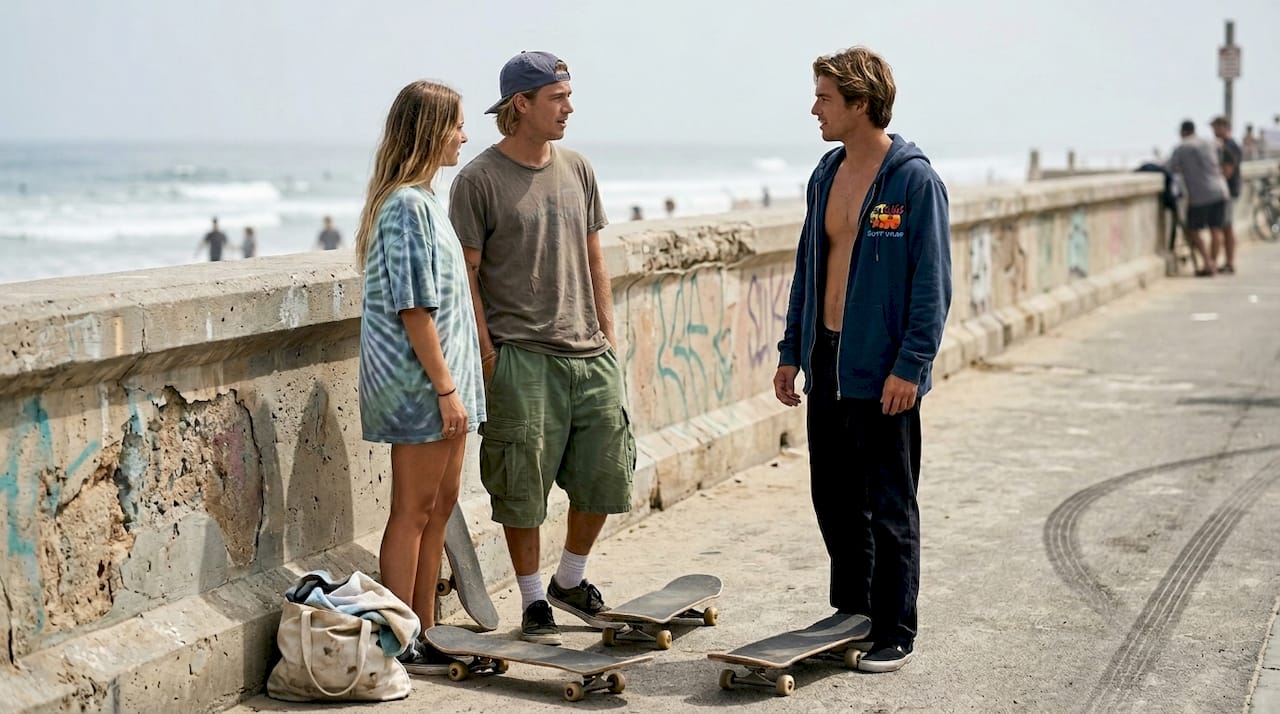
Here is how the look evolved across the decades:
| Era | Key style features | Cultural influence |
|---|---|---|
| 1980s | Bright colours, fitted cuts | Performance surf culture |
| 1990s | Baggy fits, heavy logos | Skate and street crossover |
| 2000s | Brand collaborations, women's lines | Global mainstream fashion |
The commercialisation accelerated fast. Quiksilver acquired DC Shoes in 2004, a move that cemented the surf-skate merger at a corporate level. Volcom built its identity on the crossover. Roxy emerged as a dedicated women's surfwear label, introducing new shapes, fits, and aesthetics that had been largely absent from the category.
The numbered list below captures how this era unfolded:
- Baggy boardshorts and oversized tees replaced the fitted 1980s look
- Graphic-heavy designs and loud logos became the dominant visual language
- Skate brands and surf brands began sharing retail space and cultural territory
- Women's surfwear expanded beyond bikinis into surf-inspired athleisure
- Global retail distribution pushed surf aesthetics into shopping centres worldwide
"When surf brands went global, they gained reach but risked losing the raw energy that made them worth following in the first place."
This tension between authenticity and commercial success became one of the defining conversations in surf culture, and it has never fully resolved.
Cultural impact and controversy: Surfwear's symbolism today
Today, surfwear carries multiple, sometimes conflicting meanings. For working surfers, it is functional kit. For millions of others, it is a lifestyle statement rooted in values like freedom, youth, and environmental awareness.
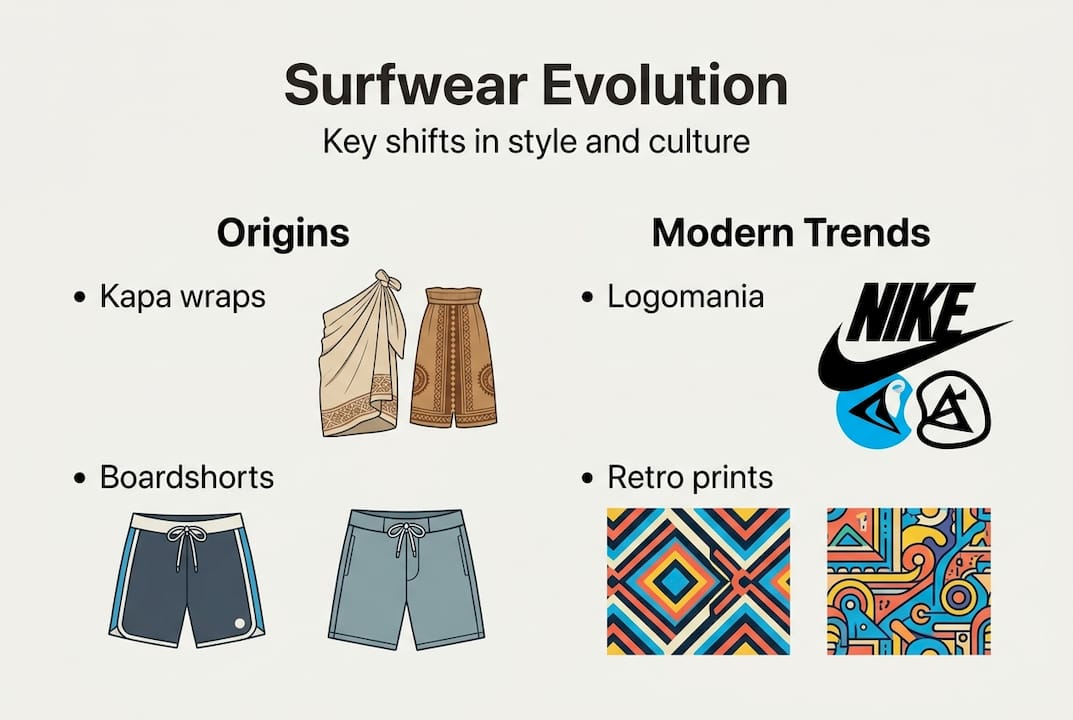
Over 50% of surfwear purchases are made by people who do not surf regularly, reflecting just how far the aesthetic has travelled from its origins.
The key symbolic threads running through modern surfwear include:
- Freedom: loose fits and ocean-inspired colours evoke movement and escape
- Youth culture: the aesthetic has remained associated with energy and irreverence across generations
- Environmentalism: many surf brands have built sustainability into their identity, reflecting the community's connection to the ocean
- Authenticity debates: the contrast between performance surfwear and mass-market imitations continues to spark real disagreement
Fast fashion has absorbed surf aesthetics and reproduced them cheaply, which some see as inclusion and others see as dilution. The debate is legitimate on both sides.
Pro Tip: If you want pieces that hold up in the water and look sharp on the street, explore multi-use surfwear designed with both performance and style in mind.
The most interesting development in recent years is the return of vintage surf aesthetics. Retro prints, relaxed fits, and a deliberate nod to 1970s and 1980s design sensibilities are everywhere. It is not nostalgia for its own sake. It is a reaction against the blandness of over-commercialised fashion.
What most histories miss: Why surfwear's spirit still matters
Most histories of surfwear focus on brand timelines and commercial milestones. What they miss is the lived experience: the feeling of wearing something that connects you to a place, a community, and a way of moving through the world.
Copying mass trends produces outfits, not style. Real surf fashion has always come from people who understood their environment and dressed accordingly. That is why local surf scenes still produce the most interesting looks, even when global brands dominate the shelves.
At Wild Surfwear, we believe the future of surfwear lies in combining personal expression with genuine function. The brands and individuals worth watching are those who experiment, reference history without being trapped by it, and treat surfwear style and function as inseparable. That spirit is what keeps surf fashion alive.
Find your original surfwear style
If this history has you wanting to refresh your beach wardrobe with pieces that actually mean something, Wild Surfwear has you covered.
From retro-inspired Vintage Caribbean swim trunks that nod to the golden era of surf fashion, to kids' rashies built for real water time, and the bold, playful energy of our flamingo swim trunks, every piece is designed to carry both tradition and personality. Explore the range and find the style that speaks to where you want to be.
Frequently asked questions
What were the first surfwear garments?
The earliest surfwear included kapa cloth wraps worn by Hawaiian royalty during he'e nalu, which later evolved into the boardshorts and floral shirts that defined twentieth-century surf culture.
How did skate culture influence surfwear?
In the 1990s and 2000s, surf and skate brands merged, bringing baggier silhouettes, heavy graphics, and logomania into the mainstream surfwear aesthetic.
Why is surfwear still popular with non-surfers?
Surfwear's global lifestyle appeal and relaxed, bold aesthetic attract a wide fashion audience that values the freedom and energy the style communicates, regardless of whether they surf.
What are the most iconic surfwear brands?
Quiksilver, Billabong, Rip Curl, Volcom, and Roxy are five of the most influential surfwear brands in history, each shaping the aesthetic and commercial landscape of surf fashion.