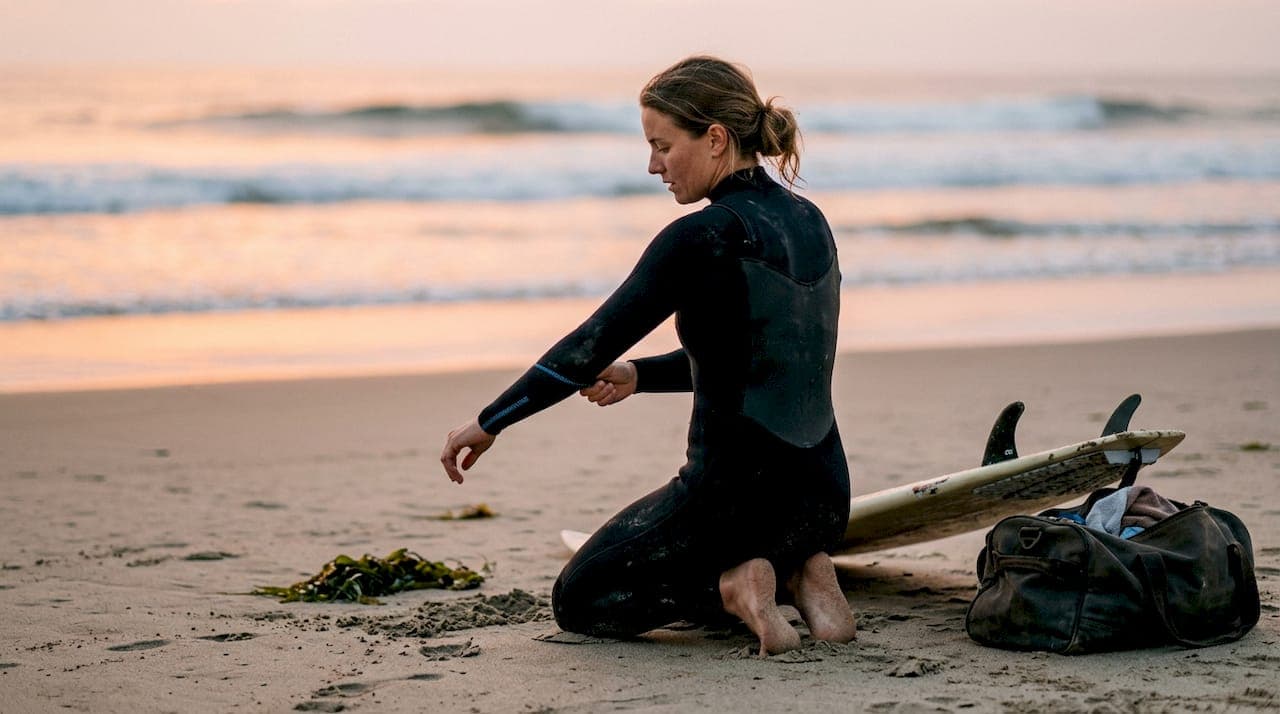
Not all surfwear is created equal, and if you’ve ever ended a session with raw skin, restricted shoulders, or gear that felt like it was fighting you the whole time, you already know this. Comfort in surfwear isn’t just about feeling good on the beach. It directly shapes how you move, how long you last in the water, and how much you actually enjoy the ride. The materials, fit, and construction choices behind your rash guard or swim trunks make a measurable difference. By the time you finish reading, you’ll know exactly what to look for and why it matters.
Table of Contents
-
Evidence from the water: What elite surfers and real users say
-
Lifestyle comfort: Merging style, sustainability, and all-day wear
Key Takeaways
| Point | Details |
|---|---|
| Comfort drives performance | The right surfwear boosts athletic results by enhancing flexibility, reducing drag, and preventing rashes. |
| Material matters most | Stretch blends like spandex and advanced neoprene set the bar for comfort and durability in surfwear. |
| Fit should be balanced | A snug but non-restrictive fit delivers the best of support and freedom, avoiding drag or discomfort. |
| Sustainability is possible | Eco-friendly materials like recycled polyester and Sorona now match traditional options for comfort and reliability. |
| Care preserves quality | Proper washing and drying routines keep your surfwear stretchy, comfortable, and long-lasting. |
Why comfort matters in surfwear
Comfort is often treated like a bonus feature, something nice to have but not essential. That thinking costs you in the water. When your gear fits well and moves with your body, you paddle harder, pop up faster, and stay focused on the wave instead of adjusting your waistband.
Physical performance is the most obvious area where comfort shows up. Tight, stiff fabric limits your shoulder rotation and hip mobility, two things you absolutely need for powerful paddling and clean turns. Flexible gear lets your body do what it’s trained to do without fighting the material.
Comfort also protects your body. Poorly fitted or rough-textured surfwear causes chafing and rashes, especially around the neck, underarms, and inner thighs. Over a long session, that friction adds up to real fatigue and irritation. Stretch fabrics like spandex and elastane reduce chafing by moving with your skin rather than against it.
There’s also a confidence factor. When you feel good in your gear, you’re not distracted by discomfort. You’re locked in. That mental clarity translates to better decisions in the lineup and more time enjoying the session. Even elite wetsuit comfort reviews confirm that top surfers consistently choose high-comfort gear for sustained use.
Here’s what comfort actually delivers in the water:
-
Full range of motion for paddling and popping up
-
Reduced skin irritation from rash-resistant materials
-
Lower fatigue over long sessions
-
Better focus without gear distractions
-
Confidence that carries into your surfing
For younger surfers, youth rash guard comfort is especially important since kids are more sensitive to chafing and restricted movement. Options like the blue neon rashguard and quick-drying rashguards are built with these needs in mind.
“Comfort isn’t a luxury in surfwear. It’s the foundation of every good session.”
The science behind comfortable surfwear
Understanding why comfort matters sets the stage for unraveling how it’s achieved. Let’s look at what actually goes into high-comfort surfwear at the material level.
The most important ingredient is stretch. Fabrics blended with 12 to 14% elastane give you shape retention and freedom of movement without sagging or bunching. Stretch materials with 12-14% elastane deliver consistent performance across hundreds of sessions. Recycled polyester blends, like 52% recycled polyester paired with 12% elastane, add durability and sustainability without sacrificing feel.
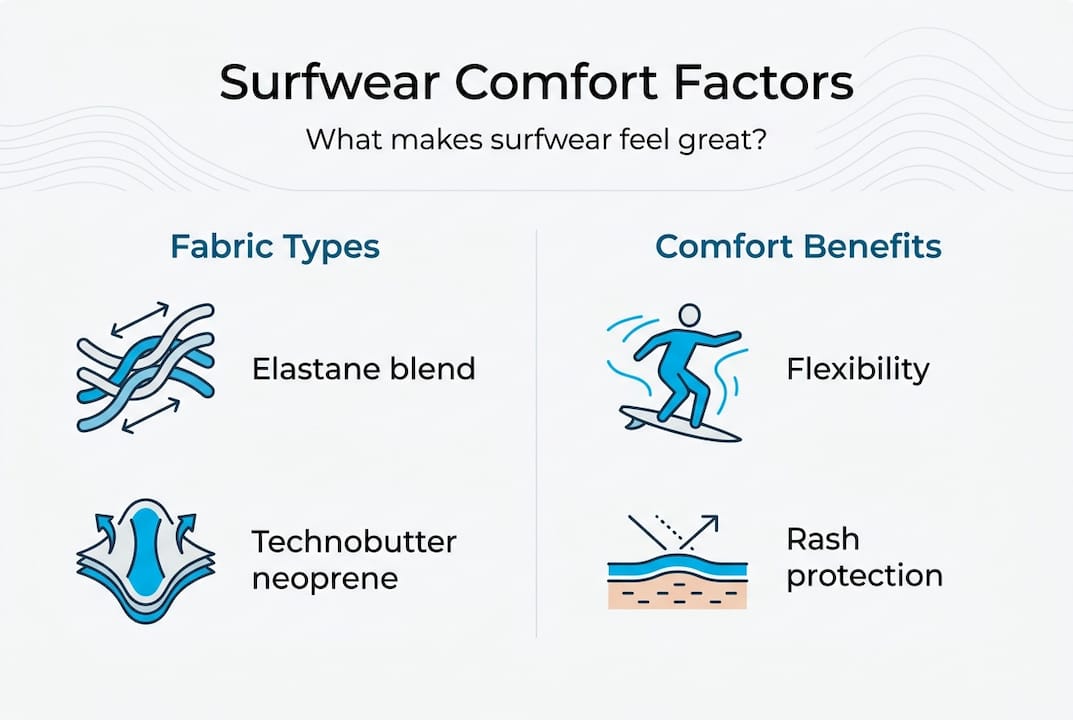
For wetsuits, the material game goes even deeper. Technobutter neoprene in the O’Neill Hyperfreak is one of the most flexible and durable options on the market, retaining its performance after 150 or more sessions. Japanese rubber wetsuits from brands like Moonsuits push flexibility even further, offering a second-skin feel that reduces fatigue on long paddle-outs.
| Material | Stretch level | Durability | Best for |
|---|---|---|---|
| Spandex/elastane blend | Very high | Medium | Rashguards, swim trunks |
| Recycled polyester blend | High | High | All-day beach wear |
| Technobutter neoprene | Very high | Very high | Wetsuits, cold water |
| Japanese rubber | Extreme | High | Performance wetsuits |
| Sorona fiber | High | High | Eco-focused surfwear |
The blue camo rashguard and 2tone rashguard are examples of how smart material choices translate into real-world comfort for active surfers.
Pro Tip: Skip the ultra-cheap blends with less than 8% elastane. They lose their stretch fast, bunch in the wrong places, and cause more chafing than a well-made mid-range option.
How fit, stretch, and compression shape your experience
Knowing the materials is only half the story. How a piece of surfwear fits your body determines whether those materials actually work for you.
Fit types break down into three main categories:
-
Slim fit: Hugs the body closely, reduces drag in the water, and looks sharp on the beach. Best for performance-focused sessions.
-
Regular fit: Balanced between comfort and function. Works for most activities and body types.
-
Baggy fit: More room to move and a relaxed style, but creates more drag in the water. Better for casual beach days than competitive surfing.
Baggy fits offer more style but higher drag, while compression that’s too tight restricts movement and can reduce circulation. The sweet spot is snug without pinching.

Compression is a separate consideration. Light compression supports muscles and reduces vibration fatigue during long sessions. Too much compression, though, and you’re fighting your own gear. Hyperflex materials that stretch too far can also reduce warmth and durability over time.
Here’s a simple decision guide to find your ideal fit:
-
Assess your activity. Are you competing, free surfing, or just hanging at the beach? Performance needs a slimmer fit. Lifestyle wear can go looser.
-
Try it on and move. Raise your arms overhead, simulate a paddle stroke, and squat. If anything pulls or pinches, it’s not the right fit.
-
Check your range of motion. You should be able to rotate your shoulders freely and bend at the hips without the fabric riding up or restricting you.
For rashguards that suit every fit preference, having options matters. The men’s camo rashguard is a solid example of a slim-fit design that balances style and function. Fit directly impacts wetsuit comfort in the same way it affects rashguards.
Pro Tip: A well-fitted mid-range rashguard will outperform a premium one in the wrong size every single time. Fit is not optional.
Evidence from the water: What elite surfers and real users say
To round out the scientific and technical view, let’s hear from those with the most at stake: athletes and regular users on real surf breaks.
Survey data from extensive wetsuit testing shows that O’Neill ranks first for warmth and comfort among a wide audience of surfers. That’s not marketing. That’s real-world feedback from people logging sessions in varied conditions.
On the performance side, research into elite surfer movement shows that flexible gear supports better trunk control, which directly improves paddling power and wave-catching ability. When your gear doesn’t restrict your torso, you generate more force with each stroke.
Regular users echo this consistently. The feedback pattern is clear:
-
Fit and flexibility are the top two comfort factors reported by surfers
-
Chafe-free sessions are the most common reason people switch to better gear
-
Durability matters because comfort that fades after 10 washes isn’t real comfort
-
Quick-dry performance reduces post-session discomfort and skin irritation
-
Lightweight construction reduces fatigue over multi-hour sessions
The durable blue neon rashguard reflects exactly what users ask for: stretch, durability, and a design that holds up session after session.
“The best gear disappears when you’re surfing. You stop thinking about it and just surf.”
Lifestyle comfort: Merging style, sustainability, and all-day wear
The technical story would be incomplete without showing comfort’s role in your day-to-day, from the first paddle out to the sunset bonfire.
Great surfwear doesn’t clock out when you leave the water. The same quick-dry, rash-resistant properties that protect you during a session make your gear comfortable for hours of beach time afterward. You don’t need to change out of your rashguard to feel good. That’s the point.
Style plays a real role here too. Baggy fits lean into a relaxed, expressive vibe that works for beach hangs and casual outings. Slim fits keep things sharp if you’re heading from the water to a cafe or a market. Your surfwear should match your plans and your personality.
Sustainability is no longer a trade-off. Recycled materials like REPREVE and Sorona deliver the same stretch and comfort as traditional fabrics while reducing environmental impact. Choosing recycled blends means you’re investing in gear that performs and aligns with the ocean culture you’re part of.
Here’s what to look for in lifestyle-ready surfwear:
-
Quick-dry fabric that transitions from water to land without discomfort
-
Flat-lock or bonded seams to prevent chafing during extended wear
-
UPF 50+ protection for all-day sun exposure
-
Colorfast dyes that stay vibrant after repeated saltwater exposure
-
Lightweight construction that doesn’t weigh you down on or off the water
Care matters too. Rinse your gear in cool fresh water after every session, avoid wringing or yanking the fabric, and keep it out of direct heat. These habits extend the life of your stretch materials and keep your gear feeling new longer.
For accessories that match the vibe, check out sustainable surf accessories and pieces with a retro surf feel. If you want to complete the look, tropical swim trunks pair perfectly with any rashguard for a full beach-ready outfit.
Find your comfort zone with Wild Surfwear
At Wild Surfwear, we build gear that works as hard as you do. Every piece in our lineup is designed with stretch, durability, and real-world comfort in mind, so you can focus on the wave, not your gear. Whether you’re chasing barrels or just soaking up the sun, we’ve got something built for your session.
Explore our youth rashguards collection for performance-ready options built for active surfers, or check out the ProVis rashguard range for high-visibility, high-comfort designs that stand out in the lineup. And if you’re looking to complete your beach kit, the flamingo swim trunks bring bold color and quick-dry comfort to every session. Your next favorite piece is waiting.
Frequently asked questions
What materials make surfwear most comfortable?
High-stretch fabrics like elastane and spandex support movement and reduce chafing, making them the top choice for comfortable surfwear. Advanced neoprene blends add warmth and flexibility for wetsuit applications.
How does fit affect comfort in surfwear?
A snug fit without pinching allows full mobility and reduces drag, while baggy fits increase drag and a too-tight fit restricts movement. Getting the fit right is just as important as choosing the right material.
Does sustainable surfwear compromise on comfort?
Not at all. Recycled materials like REPREVE and Sorona match the stretch and feel of traditional fabrics while reducing environmental impact. You get the same comfort with a cleaner conscience.
What’s the best way to care for comfortable surfwear?
Rinse in cool fresh water after every session and avoid direct heat or wringing the fabric. These simple steps extend stretch and durability so your gear stays comfortable for longer.
Can comfortable surfwear improve athletic performance?
Yes. Flexible gear supports better trunk control and reduces fatigue, which directly improves paddling power and agility during water sports. Comfort and performance are not separate goals.