TL;DR:
- UPF 50+ rashguards are essential for maximum UV protection and comfort.
- Proper fit, fabric quality, and maintenance are key to effective and safe surfwear.
- Bright colours and secure closures improve safety and visibility for young surfers.
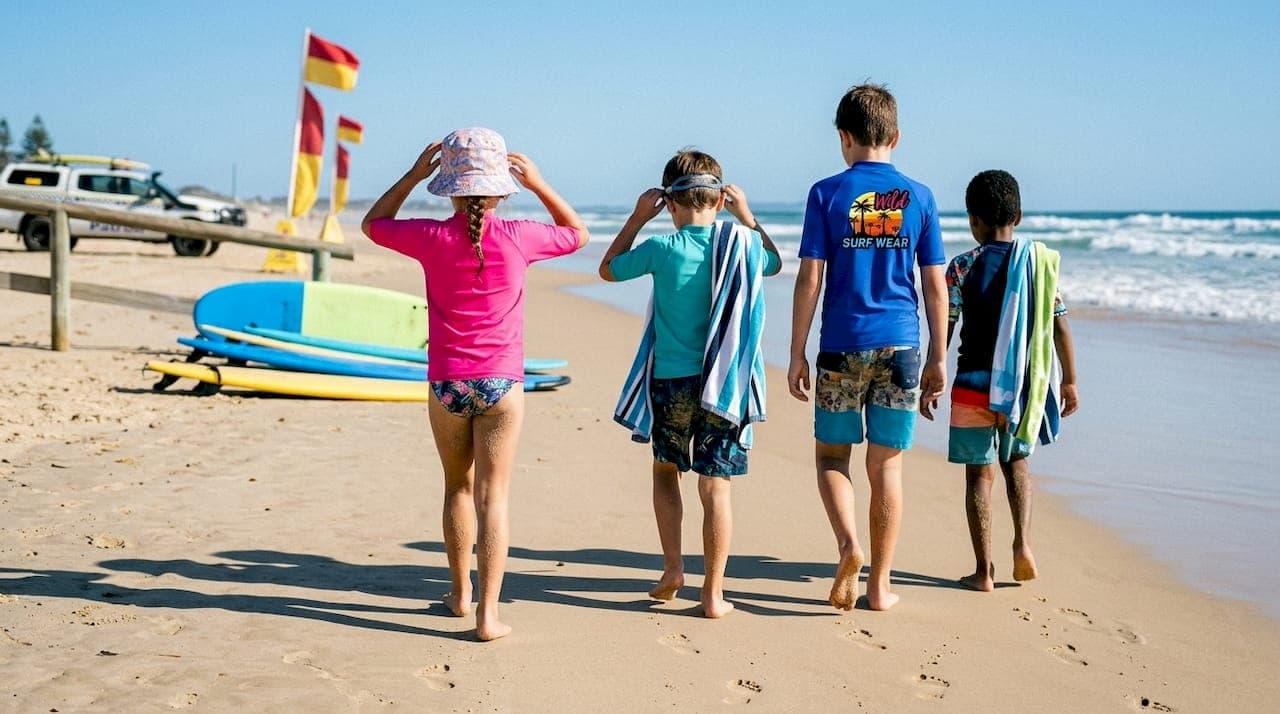
Getting your child kitted out for a surf session sounds simple until you're standing in a shop surrounded by racks of colourful rashguards, wondering whether that stretchy top actually blocks UV or just looks the part. The stakes are real. Australia has some of the harshest UV conditions on the planet, and kids' skin is far more vulnerable than adults'. Choosing the wrong gear means sunburn, chafing, and a miserable day in the water. This guide cuts through the noise and gives you clear, practical tips on picking surfwear that keeps your child safe, comfortable, and stoked all day long.
Table of Contents
- What to look for in kids' surfwear
- Essential surfwear items for kids
- How the options compare for Aussie kids
- Fitting and caring for surfwear: practical tips
- Why most parents miss the mark on surfwear safety
- Find the right surfwear for your kid
- Frequently asked questions
Key Takeaways
| Point | Details |
|---|---|
| Choose UPF 50+ fabric | Maximum sun protection is critical for Aussie kids in the surf. |
| Fit matters most | Surfwear should be snug but comfortable to prevent chafing and shifting. |
| Layer for conditions | Use rashguards alone for warm water and add wetsuits or booties for cooler, rocky beaches. |
| All-day sun strategy | Pair hats and sunscreen with clothing and reapply after swimming. |
What to look for in kids' surfwear
Great kids' surfwear does more than look good on the beach. It works as a layer of protection between your child and everything the ocean throws at them: intense UV radiation, abrasive board wax, rocky reef edges, and cold water. Knowing what to prioritise before you buy saves you money and keeps your kids safer.
The single most important feature is sun protection. Look for a UPF 50+ rating, which means the fabric blocks 98% of UV radiation. Anything lower simply isn't good enough for a full day at an Aussie beach. After UV protection, fit is everything. Gear that's too loose bunches up, causes chafing, and can catch on the board. Gear that's too tight restricts movement and makes paddling exhausting.
Fabric quality matters more than most parents realise. Quick-dry materials like nylon or polyester blends keep kids comfortable when they're moving between water and sand. Breathable weaves prevent overheating during long sessions. Flatlock stitching (where seams lie flat against the skin) reduces rubbing dramatically.
Here's a quick checklist to run through before you buy:
- UPF 50+ rating on all tops and one-pieces
- Snug but flexible fit with no bunching at the armpits or waist
- Flatlock or bonded seams to prevent chafing
- Quick-dry fabric so kids stay comfortable between waves
- Bright or distinctive colours so you can spot your child in the water easily
- Secure closures on boardshorts (drawstring or velcro, not just elastic)
Pro Tip: Always check the rashguard selection tips for your child's age group. Sizing varies significantly between brands, so measure your child's chest and height rather than relying on age labels alone.
Essential surfwear items for kids
Now that you know what to prioritise, here are the must-have items for every child who surfs. Think of this as your complete packing list for a safe and fun session.
- Rashguard — The foundation of any kids' surf kit. Rash guards provide UPF 50+ UV protection, stop rashes from board wax and chafing, and add a layer of warmth in mild water. Long-sleeve styles offer the best coverage.
- Boardshorts or swimsuit — Boardshorts should fit snugly to avoid shifting during wipeouts. For girls, a one-piece swimsuit under a rashguard is a practical and secure option.
- Surf hat — A wide-brim or neoprene surf hat protects the scalp, ears, and face. Essential for long sessions.
- Reef-safe SPF 50+ sunscreen — Apply before dressing and reapply every 90 minutes, especially to the face, neck, and backs of hands.
- Reef booties — Protect young feet from hot sand, sharp rocks, and coral. Non-negotiable for reef breaks.
- Leash — Keeps the board close and prevents it from becoming a hazard to other surfers or your child.
"A rashguard is not optional gear. It's the first line of defence against sunburn, board rash, and cold water. Every session, every time."
For warmer Australian waters above 24°C, a full wetsuit is usually unnecessary. A quality rashguard paired with boardshorts or a swimsuit is enough. Check out the ProVis kids rashguards range for long-sleeve options with serious UV credentials, or browse kids rashies for lighter warm-water styles.
Pro Tip: Buy rashguards in bold, distinctive colours. It makes spotting your child in a crowded break much easier and adds a layer of water safety.
How the options compare for Aussie kids
Once you know the main surfwear pieces, you'll want to weigh your options for local conditions. Australia's coastline ranges from the warm tropical waters of Queensland to the cooler swells of Victoria and Tasmania. What works in Noosa won't always cut it in Torquay.
| Surfwear item | Warm water (above 24°C) | Cool water (below 20°C) | Rocky reef breaks |
|---|---|---|---|
| Long-sleeve rashguard | Essential | Essential | Essential |
| Boardshorts or swimsuit | Yes | Layer under wetsuit | Yes |
| Full wetsuit | Not needed | Recommended | Optional |
| Reef booties | Optional | Recommended | Essential |
| Surf hat | Strongly recommended | Optional | Recommended |
| SPF 50+ sunscreen | Always | Always | Always |
In warmer waters above 24°C, a rashguard alone handles sun and chafe protection well. A full wetsuit adds unnecessary bulk and can overheat kids quickly. That said, booties remain important if there's reef underfoot regardless of water temperature.
For sun protection across all conditions, surf hats and SPF 50+ sunscreen are non-negotiable. Zinc oxide on the face is particularly effective for kids because it sits on top of the skin rather than absorbing into it. A few key reminders for Aussie conditions:
- Reapply sunscreen every 90 minutes, even on overcast days
- UV is strongest between 10am and 3pm, so schedule sessions accordingly
- Check the bright kids rash guard options for high-visibility designs that work in any conditions
Fitting and caring for surfwear: practical tips
Making the most of your gear relies not just on selection, but on fit, care, and maintenance. Even the best rashguard loses its effectiveness if it's stretched out, faded, or full of salt residue.
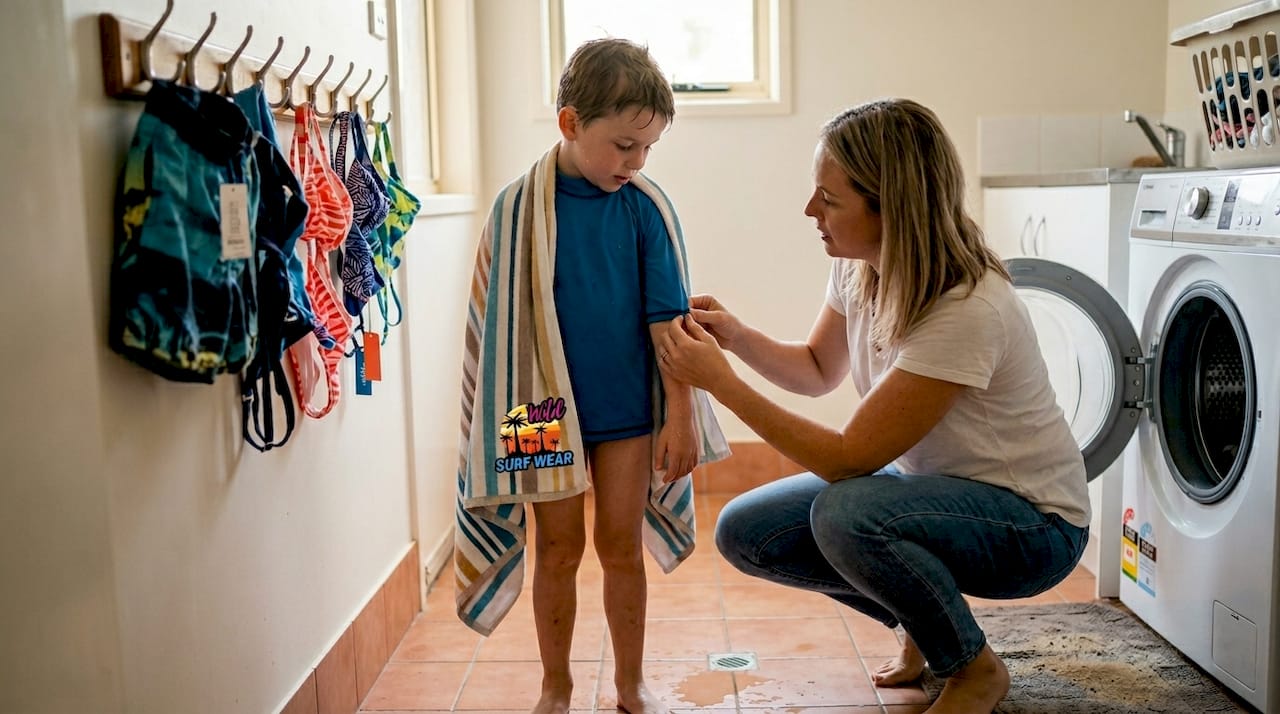
Getting the fit right is the first step. A properly fitted rashguard should sit close to the body without restricting arm movement. Check that it doesn't ride up when your child reaches overhead (mimicking a paddle stroke). Boardshorts should stay in place during a wipeout without needing constant adjustment. Use the [fitting kids rashies](https://wildsurfwear.com/products/wild-jellyfish-kids-rash guard-1) guide to match measurements to the right size.
A leash is mandatory safety gear. As research confirms, a leash keeps the board close and prevents it from becoming a danger to your child or others in the water. Check the leash attachment and velcro strap before every session.
Here are the most common care mistakes parents make and how to fix them:
- Skipping the rinse — Always rinse surfwear in cool fresh water after every session. Salt and chlorine break down elastic fibres fast.
- Machine washing in hot water — Use cold water and a gentle cycle, or hand wash. Heat degrades UV-protective coatings.
- Drying in direct sun — Dry in the shade. Prolonged UV exposure fades colours and weakens fabric.
- Buying too large — Parents often size up thinking kids will grow into it. Oversized rashguards bunch and chafe badly.
| Care step | Do this | Avoid this |
|---|---|---|
| After each session | Rinse in cool fresh water | Leaving salt to dry in fabric |
| Washing | Cold, gentle machine cycle | Hot wash or tumble dryer |
| Drying | Hang in shade | Direct sunlight |
| Storage | Dry, cool place | Damp bag or sealed container |
Pro Tip: Turn rashguards inside out before washing. This protects the outer print and UPF coating from abrasion in the machine.
Why most parents miss the mark on surfwear safety
Having looked at every aspect of selecting kids' surfwear, here's an honest perspective from years around the waves. Most parents shop with their eyes. They pick the rashguard with the coolest print or the best price, and that's understandable. But fit and function consistently matter more than either of those things.
We see it constantly: kids in oversized rashguards that bunch under the arms, or boardshorts so loose they shift with every wave. These aren't minor annoyances. They cause real chafing and distract kids from learning to surf safely. The overlooked items, like leashes, zinc on the face, and regular sunscreen reapplication, are where most sun damage and safety risks actually occur.
There's also an overreliance on wetsuits in conditions that simply don't need them. A well-fitted rashguard in warm Aussie water does the job without the hassle of getting a child in and out of thick neoprene. For genuinely evidence-backed guidance, our expert surfwear advice covers everything from fabric choices to seasonal layering.
Find the right surfwear for your kid
Ready to upgrade your child's surfwear? Here's where to find gear that's loved by Aussie surf families.
At Wild Surfwear, we design surfwear built for real ocean conditions, not just the photoshoot. Our Wild Kids Rashies collection features UPF 50+ rated styles in bold, ocean-inspired prints that kids actually want to wear. If you're after something with a bit of personality, the Wild Ocean Cartoon Youth Rash Guard is a favourite with young surfers and their parents alike. Browse the full range and find the right fit for your child's next session.
Frequently asked questions
Why is a rashguard important for kids' surfwear?
A rashguard provides UPF 50+ protection against UV rays, prevents rashes from surfboard wax and chafing, and adds warmth in cooler water conditions. It's the single most important piece of surf kit for kids.
Do kids need booties when surfing in Australia?
Booties are strongly recommended for rocky areas and reef breaks to protect feet from cuts and hot surfaces. On sandy beaches, they're optional but still useful for sensitive young feet.
How can I keep my child sun-safe while surfing?
Dress your child in a UPF 50+ rashguard, add a surf hat, and reapply SPF 50+ sunscreen every 90 minutes, with zinc oxide applied directly to the face for maximum protection.
Is a wetsuit necessary for surfing in warm water?
No. In water above 24°C a well-fitted rashguard is sufficient. Save the wetsuit for cooler southern swells or early morning winter sessions.