
TL;DR:
- Surf fashion originated as functional beachwear that became a global cultural symbol of rebellion and freedom.
- Today, it unites communities worldwide, blending performance, style, and environmental consciousness.
- Sustainable innovations in fabrics and manufacturing are now expected standards in surf apparel.
Surf fashion is rarely just about what you wear in the water. Since its earliest days, surfwear has carried something deeper — a declaration of identity, a signal to other ocean lovers, and a direct challenge to mainstream dress codes. What started as a practical solution for surfers braving waves has grown into a global cultural force that shapes streetwear trends, environmental conversations, and the way entire communities define themselves. This article traces that journey, exploring how surf fashion evolved, why it matters beyond the beach, and how you can make it genuinely your own.
Key Takeaways
| Point | Details |
|---|---|
| Surf fashion origins | Surfwear began as practical gear but quickly evolved into a cultural statement of freedom and rebelling. |
| Mainstream influence | Surf style is now global streetwear, popular well outside the surfing community. |
| Sustainability shifts | Eco-friendly materials and manufacturing are shaping the future of surf apparel. |
| Personal expression | Anyone can adopt surf-inspired looks by mixing classic items with authentic modern trends. |
The origins and evolution of surf fashion
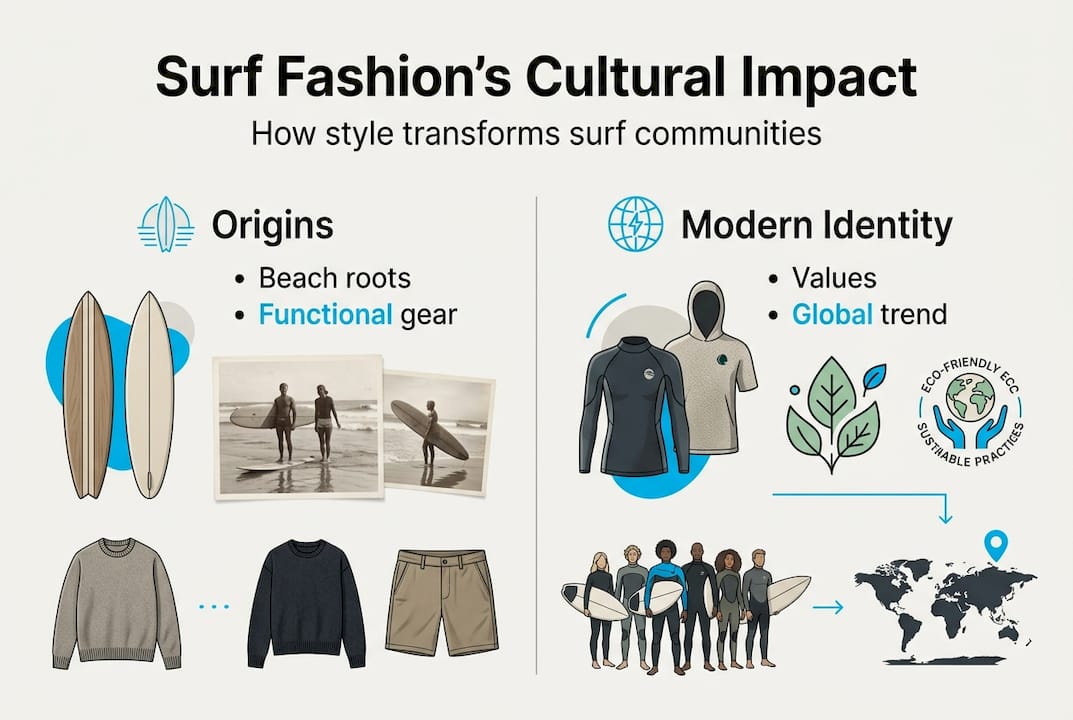
Surf fashion didn't begin in a design studio. It began on beaches in Hawaii and California during the 1950s and 60s, where surfers needed gear that could handle salt water, sun, and constant movement. Early boardshorts were cut for performance, not aesthetics. Rashguards followed as protection from reef rash and UV exposure. Nobody was chasing a look. They were solving a problem.
But function created form. Those loose, brightly patterned shorts became synonymous with a certain attitude — carefree, rebellious, and deeply connected to the ocean. By the late 1970s and into the 1980s, surf brands were exploding across Australia, California, and beyond. Neon colours, oversized fits, and bold prints weren't just aesthetic choices. They were statements. Surfwear crossed into skate culture, then into pop culture, and suddenly the whole world wanted a piece of it. You can read more about this transformation in the history of surfwear fashion and understand how quickly the tipping point arrived.
Key moments that defined surf fashion include:
- The rise of boardshorts as an everyday staple in the 1970s
- Neon colour trends dominating the 1980s surf and skate scene
- Skate crossovers bringing surf style into urban streetwear during the 1990s
- Roxy's launch in 1990, finally designing women's surfwear for actual female surfers
- Surf brands like Billabong and Quiksilver going global via professional surfing circuits
"Surf fashion serves as a cultural identity marker, embodying freedom, rebellion, and beach lifestyle."
This quote cuts to the core of it. The clothes were never just clothes.
Fashion as a cultural force in modern surf identity
With the roots established, it's vital to see how fashion now unites and defines surf culture globally. The numbers alone tell a compelling story.
| Indicator | 2025 to 2026 estimate |
|---|---|
| Global surf apparel market value | USD 1.3B to 10B+ |
| Active surfers worldwide | 35 million+ |
| Market growth trajectory | Steady upward through 2035 |
Those figures reflect something beyond commercial success. Surf fashion has become a shared language. When someone walks into a lineup wearing a well-worn pair of boardshorts and a faded rashie, other surfers read that instantly. No words needed. Logos, cuts, and colourways act as tribal markers, communicating respect for the ocean and belonging within the community.
This also explains why so many non-surfers wear surf brands. The cultural statements are universally appealing:
- Freedom from corporate dress conventions
- A visual link to outdoor, active living
- Optimism expressed through bold colour and pattern
- A quiet nod to environmental consciousness
You can see how defining modern surf style goes well beyond brand logos. It's about the values stitched into every seam. Understanding the surfer lifestyle fashion connection helps explain why the culture translates so powerfully across different regions and age groups.
Pro Tip: Authentic surf style is built on pieces you'd actually wear in or near the ocean. If the fit, fabric, and function don't make sense for the water, it's probably trend-following rather than genuine surf culture.
Innovation, sustainability and the future of surf fashion
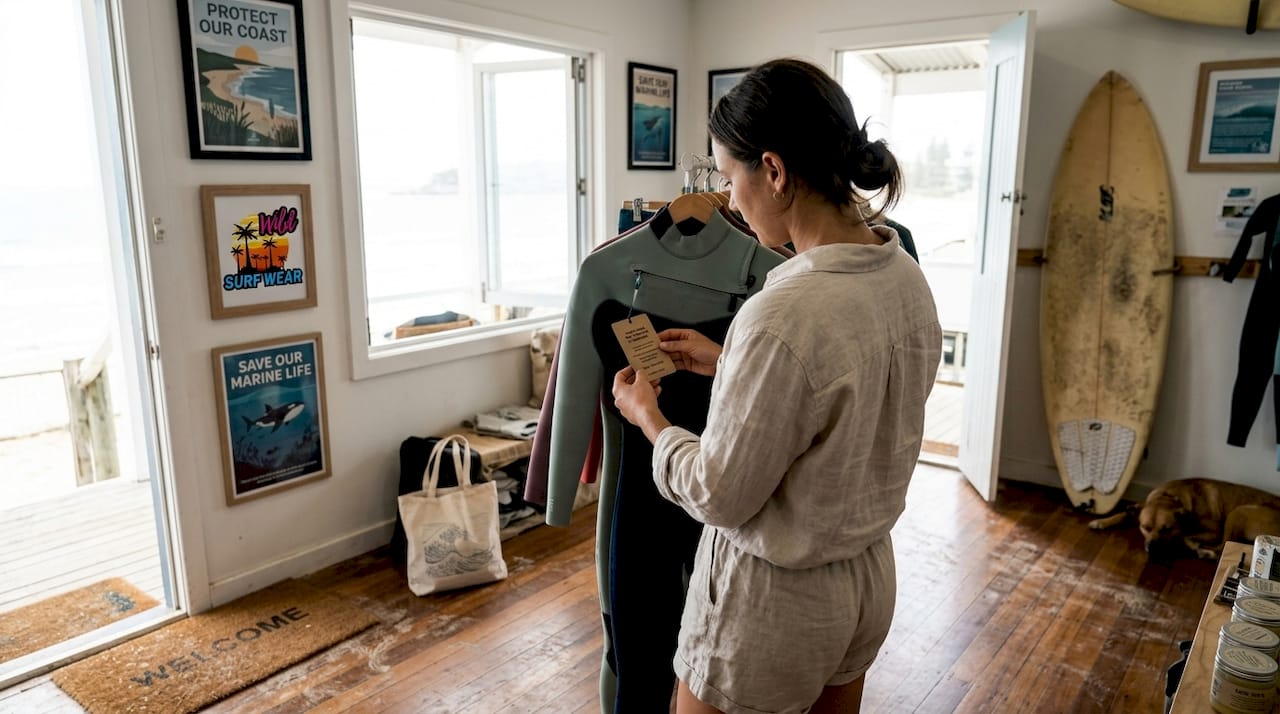
Beyond style, surf fashion reflects deep respect for the ocean, which drives ongoing innovation and eco-solutions. The industry has begun confronting an uncomfortable truth: synthetic surfwear was contributing to microplastic pollution in the same oceans surfers love. That tension sparked a genuine shift.
| Fabric type | Traditional synthetic | Modern sustainable |
|---|---|---|
| Performance | High stretch, fast-dry | Comparable stretch, fast-dry |
| Durability | Strong | Improving rapidly |
| Eco impact | Microplastic shedding, oil-based | Recycled fibres, bio-based options |
| Examples | Standard nylon, polyester | Recycled PET, Econyl, organic cotton |
Brands like Patagonia and Outerknown have pioneered recycled and bio-based materials in eco-wetsuits and apparel. Australian labels are also stepping up, prioritising ocean-positive supply chains and transparent manufacturing. Sustainable design is no longer a niche selling point. It's rapidly becoming the baseline expectation for any surf brand worth its salt.
Pro Tip: To spot genuine eco-commitment rather than greenwashing, look for third-party certifications such as bluesign, OEKO-TEX, or Global Recycled Standard on the label or brand website. Vague claims like "eco-friendly" without supporting evidence are a red flag. You can explore sustainable surfwear materials and multi-use surfwear options that hold up across both performance and sustainability standards.
Applying surf fashion: Influence, icons and your own style
All these shifts set the stage for personal style — so how do you live surf fashion today? The good news is there's no single template. Surf style is inherently individual, shaped by where you surf, who inspires you, and how you want to feel in the water and on the street.
Here's a simple way to build your look:
- Start with performance basics: a quality rashie, well-fitted boardshorts, and UV-rated swim tees
- Add layering pieces such as a lightweight hoodie or board shirt for after-session warmth
- Introduce colour and pattern gradually through statement pieces like printed trunks
- Choose accessories that serve a purpose: surf-branded caps, reef-safe sunscreen, and quality sunglasses
- Let the brands and pieces you choose reflect your actual values, not just what's trending
Essential surfwear items every wardrobe should include:
- Long-sleeve rashies for UV protection during extended sessions
- Boardshorts in a length and cut suited to your activity
- Quick-dry shirts for beach-to-café transitions
- A durable, ocean-washed hoodie for cooler evenings
Pro surfers and brand ambassadors continue to shape what resonates culturally. Figures like Stephanie Gilmore and Kelly Slater bring both performance credibility and style influence. Women's surfwear has particularly evolved thanks to pioneers who, as fashion reinforces surf ethos of ocean respect, demanded gear designed around their bodies and surfing needs rather than borrowed from men's cuts. You'll find a step-by-step surfwear style guide useful for putting it all together, and if you're buying for younger surfers, youth surfwear explained covers the specific considerations worth knowing.
Perspective: Why surf fashion is more than style
Looking beyond the garments themselves, surf fashion is genuinely worth reconsidering. Most people dismiss it as a trend cycle dressed up in boardshorts. We'd argue the opposite. Surfwear has consistently acted as a platform for advocacy, long before sustainability became marketable. The surf community was loudly defending ocean health decades before corporate brands added recycling programmes to their annual reports.
The premium surf lifestyle isn't about expensive gear. It's a set of lived values expressed through what you wear, how you treat the water, and the community you build around it. The street adoption of surf fashion worldwide isn't shallow trend-chasing. It reflects a genuine, universal hunger for the freedom and connection that surf culture embodies. True surf style comes from lived values, not just a well-curated wardrobe.
Explore authentic surf style with Wild Surfwear
If this journey through surf fashion's history, culture, and future has sparked something in you, here's where to take the next step.
At Wild Surfwear, we design apparel for people who genuinely live this culture, whether you're catching waves or simply carrying that ocean mindset into everyday life. From the Wild Youth Rashies that keep young surfers protected and stylish in the water, to the bold and iconic Vintage Caribbean Swim Trunks built for real beach adventures, our collections are made to reflect what surf culture actually stands for.
Frequently asked questions
How does surf fashion reflect environmental values?
Modern surfwear increasingly relies on recycled materials and eco-designs, reflecting the surf community's longstanding commitment to protecting the oceans that define the sport.
What are the must-have items for authentic surf style?
A solid surf wardrobe starts with boardshorts, rashies, and quick-dry tops, then builds out with branded caps, lightweight hoodies, and versatile tees that move between beach and street.
Are surf fashion trends only for surfers?
Not at all. Surfwear became mainstream streetwear through skate crossovers and pop culture exposure, and today millions of non-surfers worldwide wear surf-inspired apparel as part of their everyday look.
How big is the surf apparel market in 2026?
The global surf apparel market is estimated at USD 1.3 billion to 10 billion, supported by more than 35 million active surfers worldwide and growing mainstream demand.