TL;DR:
- Proper beach apparel should prioritize UPF protection, fabric performance, fit, and coverage.
- Rash guards, sun shirts, and swim leggings offer high UV protection and quick-drying features suited for water activities.
- Comfort, safety, and versatility are more important than style, with layered options providing optimal coverage.
Picking the right beach apparel sounds simple until you're standing in the surf, sunburnt through a flimsy cotton tee, or sweating through a rash guard that takes hours to dry. The truth is, not all beachwear is built the same. Whether you're paddling out at dawn, chasing waves with the kids, or settling in for a long session on the sand, the gear you choose affects how you feel, how protected you are, and how much fun you actually have. This guide breaks down the key criteria, main apparel types, and side-by-side comparisons to help you make a smart call.
Key Takeaways
| Point | Details |
|---|---|
| Prioritise UV safety | Choose beach apparel with a high UPF rating for better sun protection. |
| Opt for quick-dry fabrics | Modern polyester and nylon blends stay comfortable before and after swimming. |
| Layer for flexibility | Combine rash guards, board shorts and cover-ups to match changing beach activities. |
| Style meets function | Select prints, colours and fits that reflect your personality without sacrificing comfort or protection. |
How to choose functional beach apparel
Before you grab whatever looks good on the rack, it pays to understand what separates genuinely useful beachwear from gear that looks great but lets you down. There are four core criteria worth checking every time: UPF rating, fabric type, fit for your activity, and how much skin the garment actually covers.
UPF vs SPF is a common point of confusion. SPF applies to sunscreen products. UPF (Ultraviolet Protection Factor) is the rating used for clothing and tells you how much UV radiation the fabric blocks. A UPF 50+ garment blocks 98% of UV rays, making it far more reliable than most sunscreen applications that wear off in water.
Fabric matters enormously for comfort and performance. The most common high-performance options are:
- Polyester: Lightweight, fast-drying, holds its shape in water
- Nylon: Durable, smooth against skin, excellent stretch
- Polyester/nylon blends: Combine the best of both, used widely in UPF 50+ rash guards and sun shirts designed for water sports
- Spandex blends: Added for stretch and mobility in active cuts
Colour also plays a role. Darker colours generally offer higher UV protection than pale or white fabrics, though they can absorb more heat on a still day. Coverage is equally important: a long-sleeve rash guard protects your arms and torso while board shorts leave your legs exposed.
Think about multi-use surfwear benefits too. The best pieces transition from the water to the café without needing a full change. That kind of versatility is exactly what surf-inspired athleisure is built around.
Pro Tip: Always check the care label for a UPF rating before buying. Stretch the fabric lightly and hold it to the light. If you can see clearly through it, the UV protection is likely low.
Types of beach apparel and their uses
Now that you know how to evaluate, let's check out the main beachwear types and what they're best for.
Rash guards and sun shirts are the gold standard for active water use. They fit close to the body, resist chafing, and most quality versions are UPF 50+ rated with fast-drying polyester or nylon construction. Check out tropical swim shirts and neon rashguards for bold, ocean-ready options.
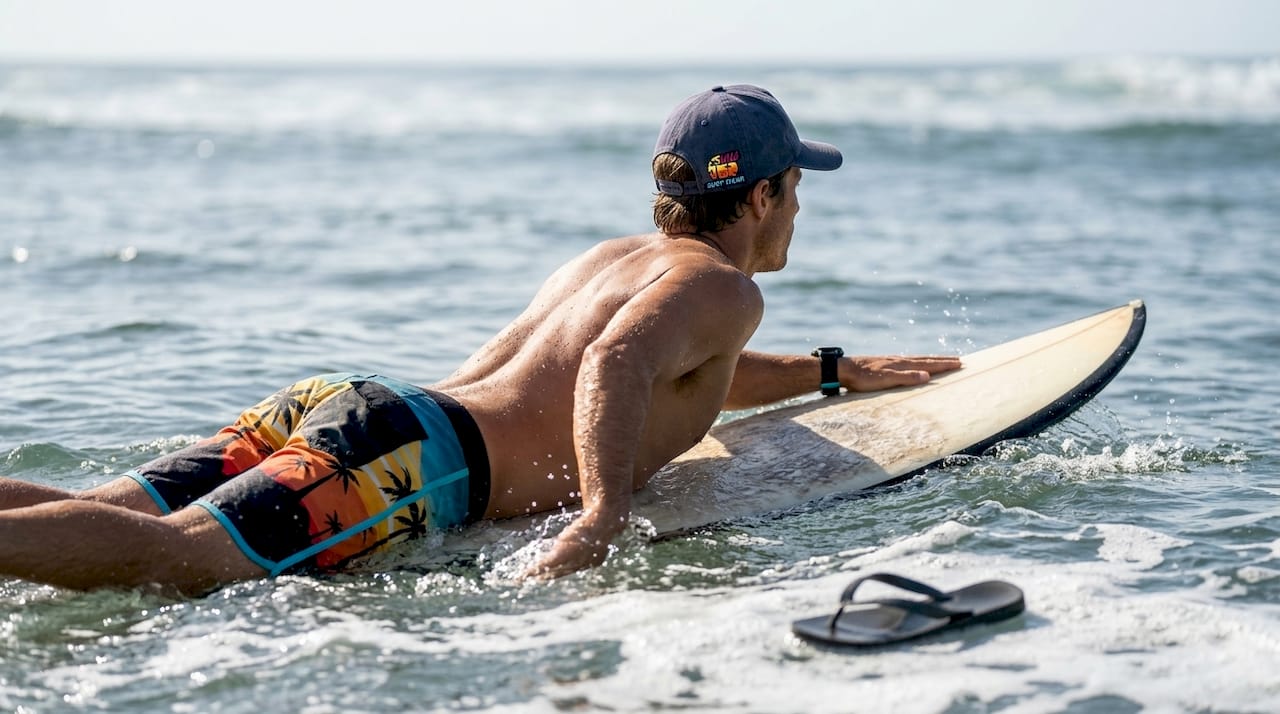
Board shorts and swim trunks prioritise freedom of movement and quick drying. They offer minimal sun coverage on the legs but are ideal for casual swimming and beach cricket.
Cover-ups and sarongs are easy to throw on between swims. They provide moderate sun protection and are great for lounging or walking to the kiosk.
Swim leggings and tights offer full-leg UV coverage and are particularly useful in cooler water or for snorkelling.
| Apparel type | Best use | Coverage | Key pros | Key cons |
|---|---|---|---|---|
| Rash guard | Surfing, water sports | Torso and arms | UPF 50+, fast-dry | Less breathable in heat |
| Board shorts | Swimming, casual | Lower body only | Great mobility | Low UV coverage |
| Cover-up/sarong | Lounging, transitions | Variable | Easy on/off | Minimal active protection |
| Swim leggings | Snorkelling, SUP | Full legs | High UV coverage | Can feel warm |
Pro Tip: Layer a rash guard with board shorts or swim leggings for full-body coverage without sacrificing movement. This combo works brilliantly for best sun shirts paired with active bottoms.
Head-to-head comparison: Sun protection and comfort
With each type's qualities clear, let's place them side by side so you can easily match your needs.
| Apparel | UPF rating | Quick dry | Body coverage | Comfort rating |
|---|---|---|---|---|
| Rash guard | UPF 50+ | Excellent | High | High (active) |
| Sun shirt | UPF 50+ | Excellent | High | High (relaxed fit) |
| Board shorts | Low/none | Very good | Low | Very high |
| Swim trunks | Low/none | Good | Low | High |
| Cover-up | Low to moderate | Moderate | Medium | High (casual) |
Quality rash guards maintain their UPF rating whether wet or dry, which makes them uniquely reliable for long surf sessions where sunscreen simply washes off.
"The best beach apparel works as hard as you do. Prioritise UPF and quick-dry performance first, then let style be the deciding factor between equally functional options."
Here's a quick guide to matching apparel to your situation:
- Surfers and paddlers: Choose ProVis rashguards for maximum UV defence and chafe resistance
- Casual swimmers: Board shorts or trunks with a light cover-up for breaks
- Snorkellers: Swim leggings plus a rash guard for full coverage
- Sun-sensitive skin: Long-sleeve sun shirt every time, no exceptions
- Kids in the water: Full rashie sets from Wild Rashguards keep young skin protected all day
Situational picks: What to wear for water sports or lounging
To make it all practical, let's match real-life activities to the ideal beachwear combinations.
Surfing and water sports demand the most from your gear. Go with a UPF 50+ rash guard on top and board shorts or swim leggings below. The rash guard stays put during wipeouts, dries fast between sets, and keeps your shoulders and torso shielded. Polyester microfibre sun shirts are particularly good here because of their ultra-fast drying and high breathability.
Casual swimming is more relaxed. Board shorts or trunks give you freedom, and a lightweight rash guard or cover-up is easy to pull on during breaks. Avoid heavy cotton tees that stay wet for hours and offer almost no UV protection.
Long lounge sessions call for comfort. A breathable cover-up, wide-brim hat, and sunglasses form the foundation. Swap the cover-up for a sun shirt if you plan to move between shade and sun frequently.
- For wet/dry cycles, always choose quick-dry fabrics to avoid that clammy, uncomfortable feeling between swims
- Layer lightly rather than wearing one heavy piece
- In peak summer heat, lighter colours keep you cooler even if they offer slightly less UV coverage
- Check out kids' surfwear tips for pairing adult and children's gear on family beach days
Pro Tip: Pack a spare rash guard in your beach bag. Swapping into a dry one at midday makes a real difference to your comfort and keeps your UV protection consistent throughout the day.
A practical perspective: Why comfort and safety beat pure style
Here's something most beachwear guides won't tell you: the stylish bikini top or fashion boardie that looks incredible at 9am often becomes the thing you regret most by 2pm. Sunburn is not just painful. It accumulates. Every unprotected hour adds to long-term skin damage, and no amount of after-sun lotion undoes that.
We've seen a genuine shift in beach culture. More resorts and surf schools now require rash guards or sun shirts for certain water activities, and that's a good thing. The athleisure advantages of well-designed surfwear mean you no longer have to sacrifice looks for protection. The best gear does both.
Pro Tip: Invest in one quality UPF 50+ sun top this season. Wear it consistently and you'll never look back.
Ready to upgrade your beach kit?
If today's guide has you rethinking your beach bag, Wild Surfwear has exactly what you need. From bold prints to practical cuts, the range covers adults and kids with UPF-rated gear built for real Australian conditions.
Browse the full ProVis rashguards collection for high-performance surf protection, explore Wild youth rashies to keep the little ones covered, or grab a pair of Caribbean swim trunks for a vibrant, quick-dry option that works in and out of the water. Quality beachwear is an investment in comfort, safety, and confidence every time you hit the sand.
Frequently asked questions
What is the difference between a rash guard and a sun shirt?
Rash guards are usually tighter and designed to prevent chafing during water sports activities; sun shirts are generally looser but also deliver high UV protection for extended time outdoors.
Do all beach shirts protect against UV rays?
Only shirts with a certified UPF rating guarantee significant UV protection. Darker, tightly woven fabrics offer more protection than thin or loosely woven cotton options.
Can I wear the same apparel for swimming and lounging?
Absolutely. Quick-dry rash guards and board shorts made from polyester microfibre transition seamlessly between swimming and relaxing on the shore without staying damp.
How do I choose the right size for rash guards?
Rash guards should fit snugly without restricting movement. Check the brand's size guide before ordering and aim for a fit that feels secure but not restrictive around the shoulders and chest.
Recommended
- Surf-inspired athleisure: style and function for beach life
- How to coordinate surfwear for style and performance
- Smart kids surfwear tips for safety, comfort and fun
- Best 3 Tropical Shirts for 2026
- Luxury Beachwear for Women That Feels Worth It – MaraFormigone
- How to Match Swimwear for Flawless Beach Style – 16th Avenue