TL;DR:
- Choosing surfwear with UPF 50+ provides maximum UV protection for extended water sessions.
- Performance boardshorts offer better movement with 4-way stretch and welded seams for surfing.
- Eco-friendly materials in surfwear combine sustainability with high performance benefits.
Picking the right surfwear sounds simple until you're standing in front of a wall of options, trying to work out whether you need a long-sleeve rash guard, performance boardshorts, or a hybrid swim trunk for your next session. The truth is, surfwear is doing serious work out there. It protects your skin from UV rays, reduces chafing on a long paddle, and keeps you moving freely through the water. If you get it wrong, you'll feel it fast. This guide breaks down every main surfwear type, compares the key features, and helps you match the right gear to your surf lifestyle.
Key Takeaways
| Point | Details |
|---|---|
| Prioritise UV protection | Choose surfwear with UPF 50+ to shield your skin from 98% of harmful UV rays. |
| Match gear to activity | Performance boardshorts and fitted rash guards best suit long surf sessions, while hybrids favour relaxed beach days. |
| Consider comfort and style | Opt for quick-dry, stretchy fabrics and bold designs that keep you comfortable and confident at the beach. |
| Eco-conscious surfwear | Sustainable materials are increasingly shaping the surfwear you see in Aussie lineups. |
How to choose surfwear: Key criteria explained
Before you buy anything, it helps to know what you're actually comparing. Surfwear isn't just about looking good on the sand. It's about how the gear performs when salt water, sun, and physical effort combine. There are a few non-negotiable criteria worth understanding upfront.
Sun protection is the big one. Look for a UPF (Ultraviolet Protection Factor) rating on the label. UPF 50+ is the gold standard, and as UPF 50+ blocks 98% of UV radiation, it's the rating you want for long sessions in the Australian sun. Anything below UPF 30 is not worth your time if you're spending hours in the water.
Flexibility and comfort matter just as much. A four-way stretch fabric lets you paddle, pop up, and move without restriction. Tight seams in the wrong places will frustrate you within an hour.
Durability is often overlooked until your boardshorts start fading or your rash guard develops pilling after a few months. Salt, abrasion from the board, and constant UV exposure all break down fabrics quickly. Check your UV protection and comfort guide for specific fabric recommendations that hold up over time.
Key things to assess when shopping for surfwear:
- UPF rating (aim for 50+)
- Stretch percentage and direction (4-way is best)
- Quick-dry fabric composition (polyester/spandex blends)
- Salt and abrasion resistance
- Flat seams to reduce skin irritation
Pro Tip: Flip the garment inside out and check the care label. If you see "quick-dry" or a high polyester content listed alongside spandex, that's a reliable sign the fabric was made for water use rather than land-based sport.
Rash guards: Protection and versatility in the surf
Rash guards are the foundation of any serious surf kit. They sit close to the skin, reduce drag in the water, and do the heavy lifting when it comes to sun protection. But not all rash guards are equal, and that matters when you're spending a full day in the surf.
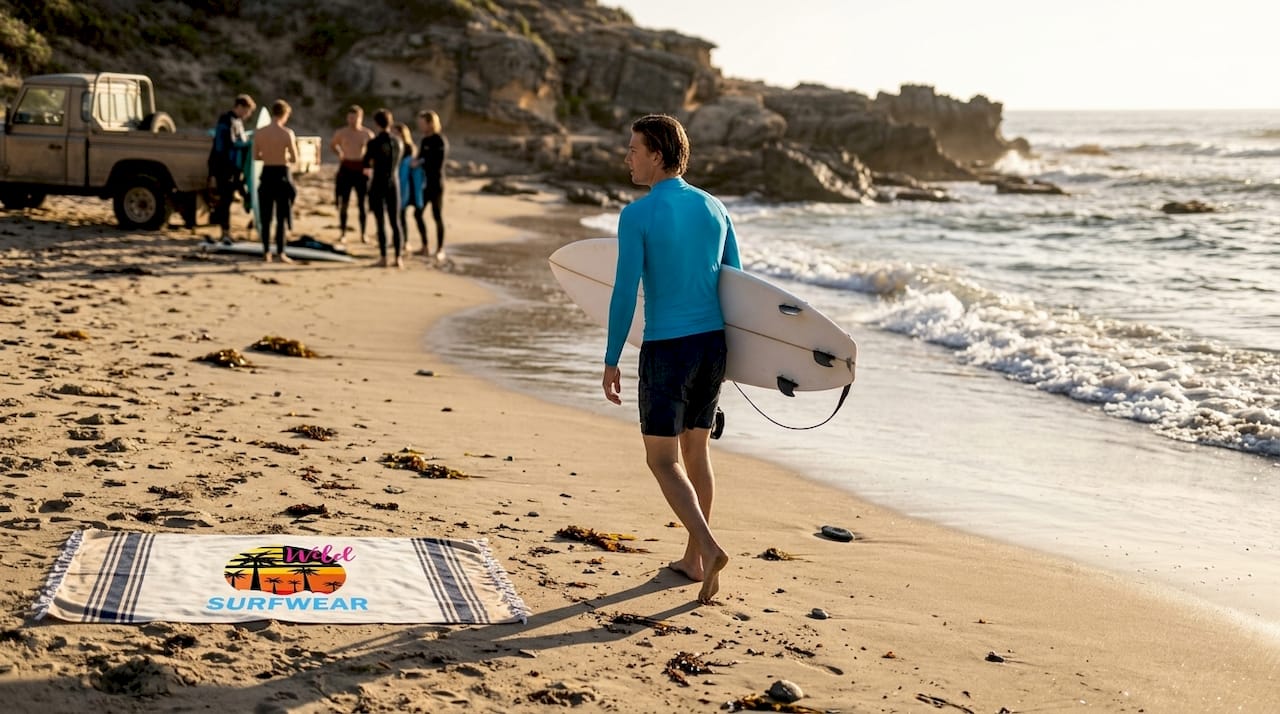
The key distinction worth knowing is that surf rash guards differ from gym ones in a fundamental way: surf-specific designs prioritise water flow and UV protection over compression, while gym versions focus on muscle support. A surf rash guard that fits like a second skin will reduce drag when you're paddling, whereas a gym compression top holds in sweat and bunches up in the water.
Long-sleeve vs short-sleeve is one of the most common decisions. Long-sleeve options offer maximum sun coverage and are ideal for extended surf sessions or open water swimming. Short-sleeve versions give you more shoulder mobility, which some surfers prefer when paddling hard.
"UPF 50+ blocks 98% of UV rays for superior protection." Choosing a rash guard with this rating is one of the easiest, most effective steps you can take for your skin health in the water.
Materials to look for in a quality rash guard:
- Polyester/spandex blends: Fast-drying, lightweight, and resistant to chlorine and salt
- Flatlock stitching: Lies flat against the skin to prevent rubbing during long sessions
- Bright or dark colours: Helps with visibility and maintains colour vibrancy despite UV exposure
Browse the range of rash guard styles available at Wild Surfwear for options built specifically for water performance. If you're shopping for kids as well, check out our family-friendly rashies breakdown for recommendations across all ages.
Pro Tip: Try your rash guard on over your wetsuit or swimwear before buying. The fit should feel snug but not restrictive across the shoulders. You should be able to perform a full paddling motion without the fabric pulling.
Boardshorts and swim trunks: Style meets function
Your bottom half needs just as much thought as your top. After skin protection, your choice of boardshorts or swim trunks determines how comfortable you'll be through a full day of surfing, swimming, and hanging around the beach.
Performance boardshorts and casual hybrid trunks serve different purposes, and confusing the two can leave you uncomfortable. Here's a straightforward comparison:
| Feature | Performance boardshorts | Casual/hybrid trunks |
|---|---|---|
| Stretch | 4-way stretch | Limited or none |
| Waist closure | Fixed or drawcord | Elastic with drawcord |
| Outseam length | 17 to 20 inches | Shorter, 13 to 16 inches |
| Seam style | Welded or flat seams | Standard sewn seams |
| Best for | Surfing and paddling | Beach, pool, travel |
Performance boardshorts are designed with a 4-way stretch, welded seams, and a 17 to 20-inch outseam, which gives you better leg coverage and freedom of movement when riding waves. Casual hybrid trunks use elastic waists and shorter cuts, making them more versatile for everyday beach use but less suitable for serious surf sessions.
Other features worth checking in your beach fashion guide:
- Pocket design: Mesh pockets drain water fast. Zip pockets are better for keeping valuables secure.
- Water-repellent coating: Helps the fabric dry quickly and reduces drag in the water.
- Internal lining: Mesh lining adds comfort but can increase drag. Some surfers prefer to go without it.
Other surfwear staples: Wetsuits, surf suits and accessories
Once you've sorted your rash guard and boardshorts, it's worth knowing how the other pieces of your surfwear wardrobe fit together. The full picture includes wetsuits, surf suits, and a handful of key accessories that round out your setup.
Wetsuits are essential for colder water temperatures, typically anything below 18 degrees Celsius. Thickness is measured in millimetres, with 2mm suits suited to mild conditions and 4mm or above for cold water surf. Flexibility is just as important as warmth. A thick wetsuit that restricts your shoulder movement will wear you out quickly.
Surf suits (also called springsuits or steamers) offer full-body coverage in a single piece. They're particularly useful for long sessions in moderate conditions where you want sun protection and a bit of thermal insulation without a full winter wetsuit.
Check out the full range of beach apparel options when building your kit. When it comes to accessories, don't underestimate them:
- Surf hats: Wide-brim options with chin straps are built for staying on in the surf.
- Polarised sunglasses: Reduce glare on the water, which helps you read waves better.
- Water-friendly footwear: Reef boots protect against rocks and sea urchins in shore breaks.
Brand philosophy matters too. As noted in surf brand differences, classic labels like Billabong and Quiksilver emphasise heritage and durability, while newer brands such as Patagonia and Vissla focus on sustainability and eco-neoprene materials. Neither approach is wrong. It depends on what you value most in your surfwear.
Comparison of surfwear types: What suits you best?
Here's how the main surfwear types compare at a glance:
| Surfwear type | Primary function | Sun protection | Best use |
|---|---|---|---|
| Long-sleeve rash guard | UV and abrasion protection | UPF 50+ | All-day surf sessions |
| Short-sleeve rash guard | Mobility and light protection | UPF 50+ | Warm water, short sessions |
| Performance boardshorts | Surf movement and coverage | Minimal | Surfing and paddling |
| Hybrid swim trunks | Casual comfort | Minimal | Beach and pool |
| Wetsuit | Thermal protection | Moderate | Cold water surfing |
| Surf suit | Full-body coverage | High | Moderate conditions |
As confirmed by Patagonia R Surf Top reviews, rash guards with UPF 50+ protection paired with quality performance boardshorts cover the vast majority of surf conditions most Australian surfers will encounter.
Here's a simple decision framework for choosing your set:
- Assess your water time: More than two hours in the sun means you need UPF 50+ on your torso.
- Consider the water temperature: Under 18°C, add a wetsuit. Between 18 and 22°C, a surf suit or thick rash guard works.
- Think about your activity: Pure surfing calls for performance cuts. Mixed beach days suit hybrids.
- Set your budget: Prioritise quality rash guards first, then invest in boardshorts.
- Check the best rashguard round-up for specific product recommendations across different price points.
Why surfwear choice shapes your session: An insider's view
Here's the part that most surfwear guides miss. The gear you wear directly affects how long you stay in the water and how good you feel doing it. This isn't a marketing line. It's something every surfer figures out the hard way after a session spent with chafed ribs or a sunburnt back.
There's a tendency to think of surfwear as cosmetic. You throw on whatever looks good on the beach. But when you're paddling for your twentieth wave and your rash guard is bunching under your arms, or your boardshorts are dragging and pulling, it costs you energy. Real performance surfwear removes those friction points so your body can focus on reading the wave.
The other shift worth watching is the move toward eco-materials. The divide between classic surf brands and newer sustainability-focused labels is narrowing quickly. Recycled nylon and eco-neoprene no longer mean compromising on performance. The best gear now ticks both boxes, and that's genuinely exciting for the surf community.
Our take is this: loyalty to a brand is fine, but loyalty to performance and values together is better. The surfer who builds their kit around function first and style second will always have more fun in the water. And when you find gear that delivers both, as covered in our surfer style insight, you stop thinking about what you're wearing and start focusing on the waves.
Get equipped: Explore quality surfwear options
Ready to put this knowledge into practice? Wild Surfwear has you covered with a full range of ocean-ready gear built for surfers who want both style and substance. Start with our youth rashguards collection for UPF 50+ protection in bold, vibrant designs that hold their colour session after session.
For high-visibility options that make you easier to spot in the lineup, browse the ProVis Rashguards range. Or if you're after a fresh pair of trunks that work for the surf and the beach bar, the Caribbean swim trunks are a solid pick. Every piece is designed to perform in Australian conditions and look great doing it.
Frequently asked questions
What is the main difference between rash guards and gym tops?
Surf rash guards are designed to prioritise UV protection and water flow, while gym tops focus on compression and sweat management. Surf rash guards also feature a tighter fit to reduce drag in the water, which gym tops are not designed for.
Do all rash guards offer the same UV protection?
No. Only rash guards with a UPF 50+ rating block over 98% of UV rays. Cheaper or unrated options may offer far less protection, which is a serious risk during long Australian surf sessions.
What features make boardshorts suitable for surfing?
Quality surf boardshorts use 4-way stretch and welded seams alongside a longer outseam of 17 to 20 inches. These features give you full range of motion when paddling and standing up on the board without fabric restriction.
Why are eco-friendly materials important in surfwear?
Eco materials reduce the environmental footprint of surfwear production, which matters for an industry built around the ocean. As highlighted in surf brand comparisons, modern brands are proving that sustainability and high performance can work together in the same garment.