TL;DR:
- Coordinated surfwear enhances sun protection, mobility, and confidence both in and out of the water.
- Proper fit, UPF ratings, and performance fabrics are essential for functional surfwear.
- Family surfwear should prioritize visibility, secure fits, and comfort for all ages.
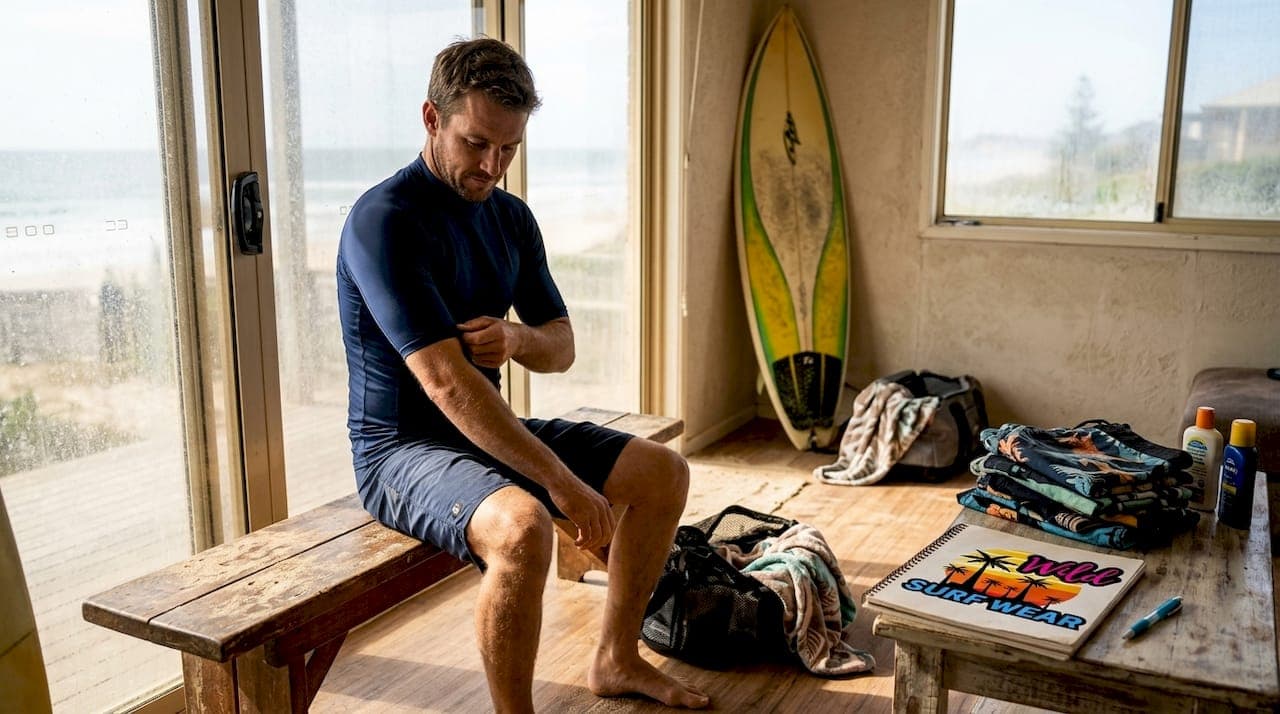
Picture this: you've driven an hour to your favourite break, the swell is pumping, and you realise your rashie is two sizes too big, your boardies have no drawstring, and your sun hat is sitting at home. Mismatched or ill-fitting surfwear doesn't just look off — it genuinely ruins your session. Getting your surfwear coordinated means better sun protection, more freedom in the water, and a look you feel confident in from the car park to the lineup.
Key Takeaways
| Point | Details |
|---|---|
| Choose quality basics | Start with UPF-rated, quick-dry surfwear essentials for easy mixing and maximum performance. |
| Follow a simple process | Build your outfit step by step from a base piece, balancing style with the functional needs of your activity. |
| Avoid common pitfalls | Stay alert to mistakes like poor fit, fashion over function, or forgetting sun safety for lasting comfort and protection. |
| Families benefit from coordination | Matching sets help with supervision and simplify surfwear choices for all ages. |
| Focus on more than colour | True coordination puts performance and protection first, with style as the finishing touch. |
Getting started: essentials for coordinating surfwear
Now that we've identified why coordination matters, let's look at the foundation pieces and materials that set you up for success.
Every solid surfwear kit starts with a handful of core items. A well-fitted rashguard (or rashie), a pair of boardies or swim trunks, and a wide-brim sun hat form the backbone of any beach outfit. These aren't just fashion choices — sun protection and quick-dry materials are what separate functional surfwear from ordinary beach clothes.
When it comes to materials, not all fabrics are equal. Look for these key features:
- UPF 50+ rating: Blocks over 98% of UV radiation, essential for long sessions in the Australian sun
- Quick-dry fabric: Polyester and nylon blends dry fast and resist saltwater damage
- Four-way stretch: Allows full movement when paddling, duck-diving, or standing up
- Flatlock stitching: Lies flat against the skin to prevent chafing during extended wear
- Secure fasteners: Drawstrings, velcro, or tie waistbands keep boardies in place on big waves
Sizing matters more than most people realise. A rashie that's too loose creates drag in the water and rides up constantly. Too tight and it restricts your paddle stroke. Check each brand's size guide and, when in doubt, size up for comfort over a wetsuit but size true for standalone wear. Staying across surfwear trends for 2026 also helps you pick pieces that look current without sacrificing performance.
| Item | Key feature | Why it matters |
|---|---|---|
| Rashguard | UPF 50+ | Sun protection in the water |
| Board shorts | Secure waistband | Stays on during wipeouts |
| Sun hat | Wide brim | Face and neck coverage on land |
| Hoodie | Quick-dry fabric | Warmth between sets |
Understanding surfwear comfort essentials is the smartest first step before you start building outfits.
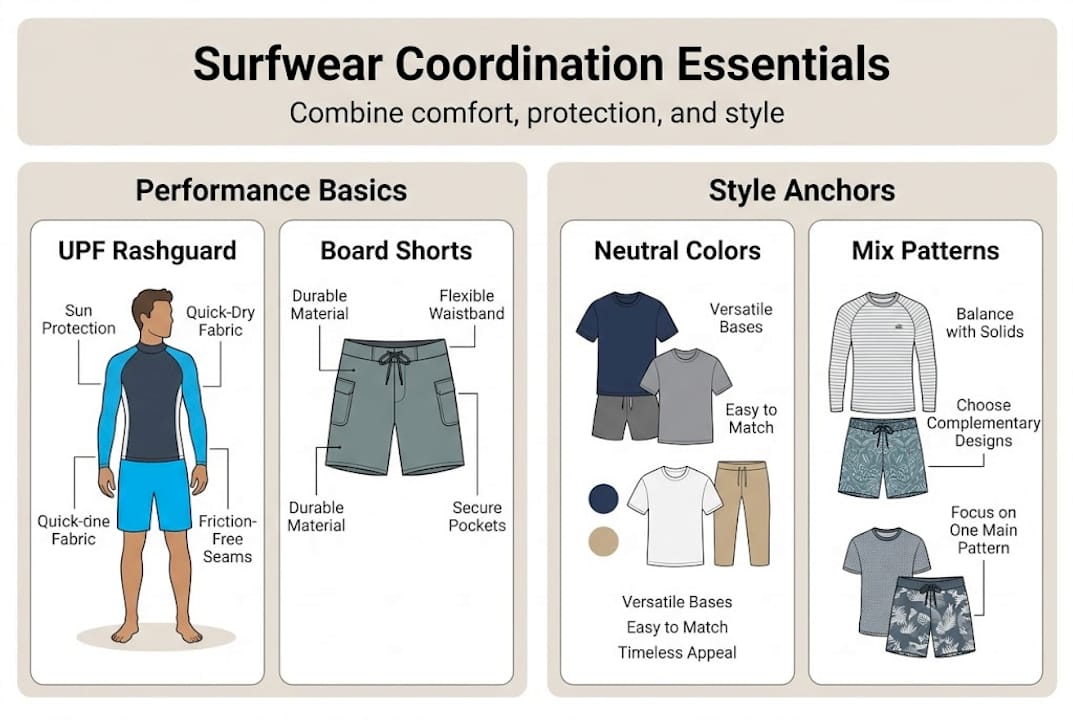
Pro Tip: Start your wardrobe with two or three neutral-coloured basics — navy, black, or white. These mix and match with almost any pattern or statement piece, giving you more outfit combinations with fewer items.
Step-by-step: how to coordinate surfwear outfits
With your basics sorted, let's break down the actual coordination process into simple steps you can follow before hitting the waves.
- Pick your base piece first. Start with the item you love most — a bold rashguard, a printed pair of boardies, or a statement swim trunk. This is your anchor.
- Choose a complementary neutral. If your base is patterned or bright, pair it with a solid neutral. A tropical rashie works brilliantly with plain black boardies.
- Apply the 60/40 rule. Sixty percent of your outfit should be one dominant colour or tone, forty percent can be accent colours or patterns.
- Check function matches occasion. Surfing demands UPF-rated, stretch fabrics with secure fits. Relaxing on the sand allows for looser, lighter options like a linen shirt over your trunks.
- Add accessories last. A sun hat, sunglasses, or a rashie hoodie should complement, not compete with, your base look.
The best tropical shirts can double as a cover-up or a casual beach layer, which makes them a smart addition to any coordinated kit. Browsing rashguard options in a range of colours helps you see what works as a statement piece versus a supporting item.
| Approach | Best for | Trade-off |
|---|---|---|
| Matching set | Easy, polished look | Less flexibility |
| Mix and match | More outfit combinations | Requires planning |
| Neutral base + bold accent | Versatile and stylish | Needs a good eye for colour |
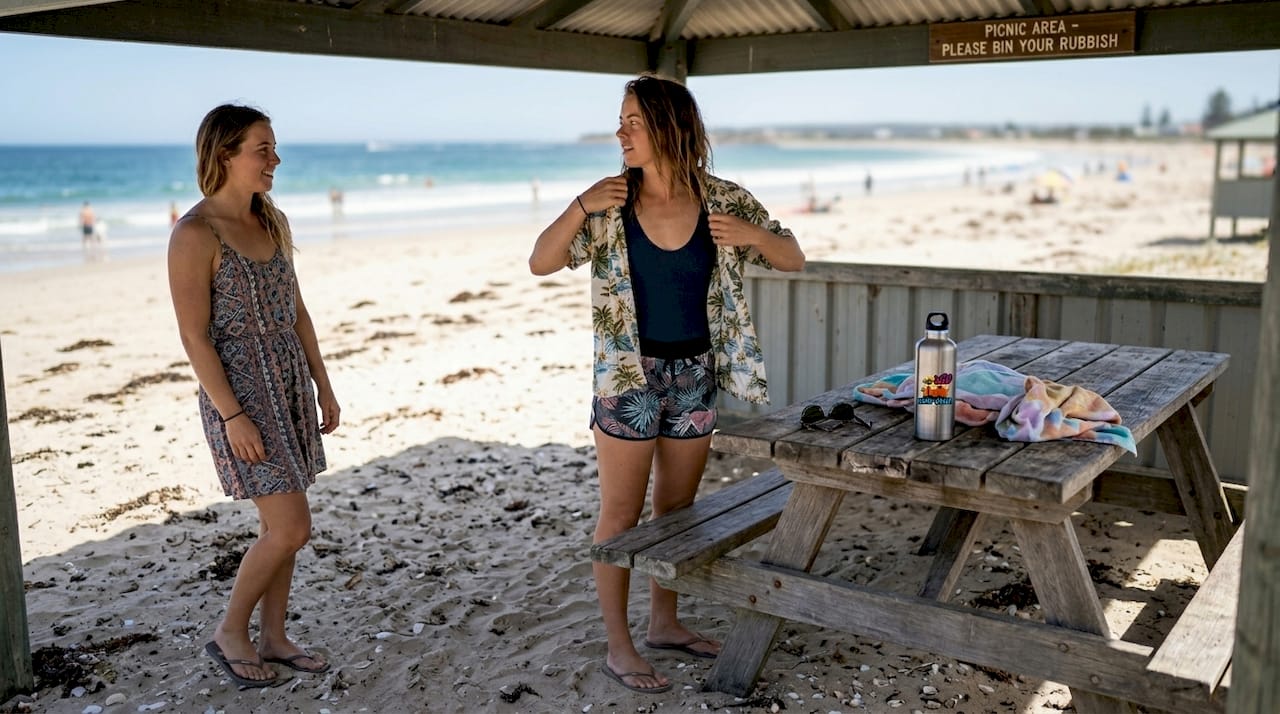
Pro Tip: Patterns are your personality on the beach. Go bold with a printed rashie, but anchor the look with plain boardies in one of the colours from the print. It ties the whole outfit together without looking chaotic.
Common mistakes and expert fixes
Even with good intentions, it's easy to make small errors that impact your day on the water. Here's what to avoid and how to fix common pitfalls.
The biggest mistake surfers make is choosing gear based on looks alone. A rashie that photographs beautifully but has no UPF rating leaves your skin exposed for hours. Similarly, boardies with a fashion-forward cut but no inner mesh or drawstring will cause problems the moment a wave hits.
Here are the most common coordination errors and how to fix them:
- Ignoring UPF ratings: Always check the label. If it doesn't list a UPF rating, assume it offers minimal protection
- Wearing cotton in the water: Cotton holds water, gets heavy, and chafes badly. Stick to performance fabrics
- Mismatched fit levels: A skin-tight rashie with baggy boardies creates drag and looks unbalanced. Aim for consistent fit across pieces
- Skipping secure fasteners: Velcro, drawstrings, and tie closures are non-negotiable for active water use
- Overlooking stitching quality: Flatlock seams prevent rash and last longer under saltwater stress
"Surfwear coordination prioritises functionality with style, focusing on sun protection, quick-drying materials, and secure fits for water activities."
For families, kids surfwear safety adds another layer of consideration. Children's skin is more sensitive to UV exposure, so cutting corners on sun protection is never worth it.
Surfwear coordination for kids and families
Coordinating surfwear is just as important — if not more so — when you're hitting the sand with kids or family. Here's how to keep everyone protected and looking great.
Family surfwear coordination isn't just about looking great in photos. Matching or complementary colours make it easier to spot your kids in a crowded beach or busy lineup. Bright colours like coral, lime, and electric blue stand out against sand and water, which genuinely helps with supervision.
Here's what to focus on when coordinating surfwear for the whole family:
- Prioritise UPF 50+ for children: Kids' skin burns faster than adults'. The kids rashguard range offers full UPF coverage with designs kids actually want to wear
- Choose easy-on, easy-off styles: Zip-front rashies and elastic waistbands make beach changes quicker and less stressful
- Use bright colours for visibility: Neon and bold prints help you locate little ones quickly in crowds
- Let kids pick one item: Give children ownership over one piece — their favourite colour rashie or printed boardies — then build the rest of the family's look around that choice. It reduces arguments and keeps everyone happy
- Match by colour family, not exact print: You don't need identical outfits. Coordinating within the same colour palette creates a cohesive look without being too matchy-matchy
A great kids surfwear guide will always emphasise that UPF-rated, secure-fit pieces are the foundation of any family beach kit.
Why real coordination means more than matching colours
Most people think surfwear coordination is about matching patterns or picking a colour scheme. That's part of it. But the surfers who look and feel their best at the beach have figured out something different: genuine coordination is about everything working together so seamlessly that you stop thinking about what you're wearing.
The best beach days we've seen are when someone's rashie fits perfectly, their boardies stay put through every wipeout, and their sun protection is sorted without a second thought. They're focused on the waves, not adjusting their gear. That's what real coordination delivers.
Personal style should enhance performance, not fight it. Explore athleisure insights for ideas on how surf style translates beyond the water. When your gear works as hard as you do, style follows naturally.
Find your perfect surfwear with Wild Surfwear
Ready to refresh your surfwear line-up? At Wild Surfwear, we've built our range around the idea that you shouldn't have to choose between looking great and staying protected.
From bold, ocean-inspired youth rashguards to high-visibility ProVis Rashguards engineered for performance, every piece is designed to coordinate easily and perform in real conditions. Our kids rashies bring UPF 50+ protection in designs that kids genuinely love. Mix, match, and hit the water with confidence.
Frequently asked questions
What is the most important feature of functional surfwear?
The most important feature is a secure fit with UPF-rated fabrics that protect your skin during long sessions in the Australian sun.
How can I choose surfwear that suits both surfing and relaxing on the beach?
Opt for pieces with quick-dry, UPF-rated fabrics and a comfortable fit that looks just as good out of the water as in it.
Are bright colours or bold designs recommended for kids' surfwear?
Yes, bright colours improve visibility on busy beaches, but always confirm the garment has a UPF rating and secure fit before buying.
Can I coordinate surfwear on a budget?
Absolutely. Invest in two or three quality basics in neutral colours first — they offer the most mix-and-match potential and work with almost any statement piece you add later.